Base44 Pricing: Plans, Costs, and What You Actually Pay (2026)

Pricing for AI app builders is often harder to understand than traditional SaaS tools. Instead of fixed features, many platforms now charge based on usage.
Base44 follows this trend with a credit-based pricing model. At first glance, the plans seem simple, but many users find it difficult to estimate the real Base44 subscription cost as their usage increases.
This guide breaks down how Base44 pricing works, what you actually pay in practice, and whether it is worth it for different types of users.
Summary
Base44 pricing is based on a credit-based subscription model, where users pay depending on how much they use the platform. While Base44 offers a free plan and paid tiers starting from around $20 to $160 per month, the actual cost can vary significantly based on usage. At a basic level, Base44 cost looks predictable. However, because actions such as AI generation, integrations, and workflows consume credits, costs can increase as usage grows. This makes Base44 suitable for builders who want flexibility, but it may feel less predictable for teams that prefer fixed pricing.
Base44 Pricing Overview
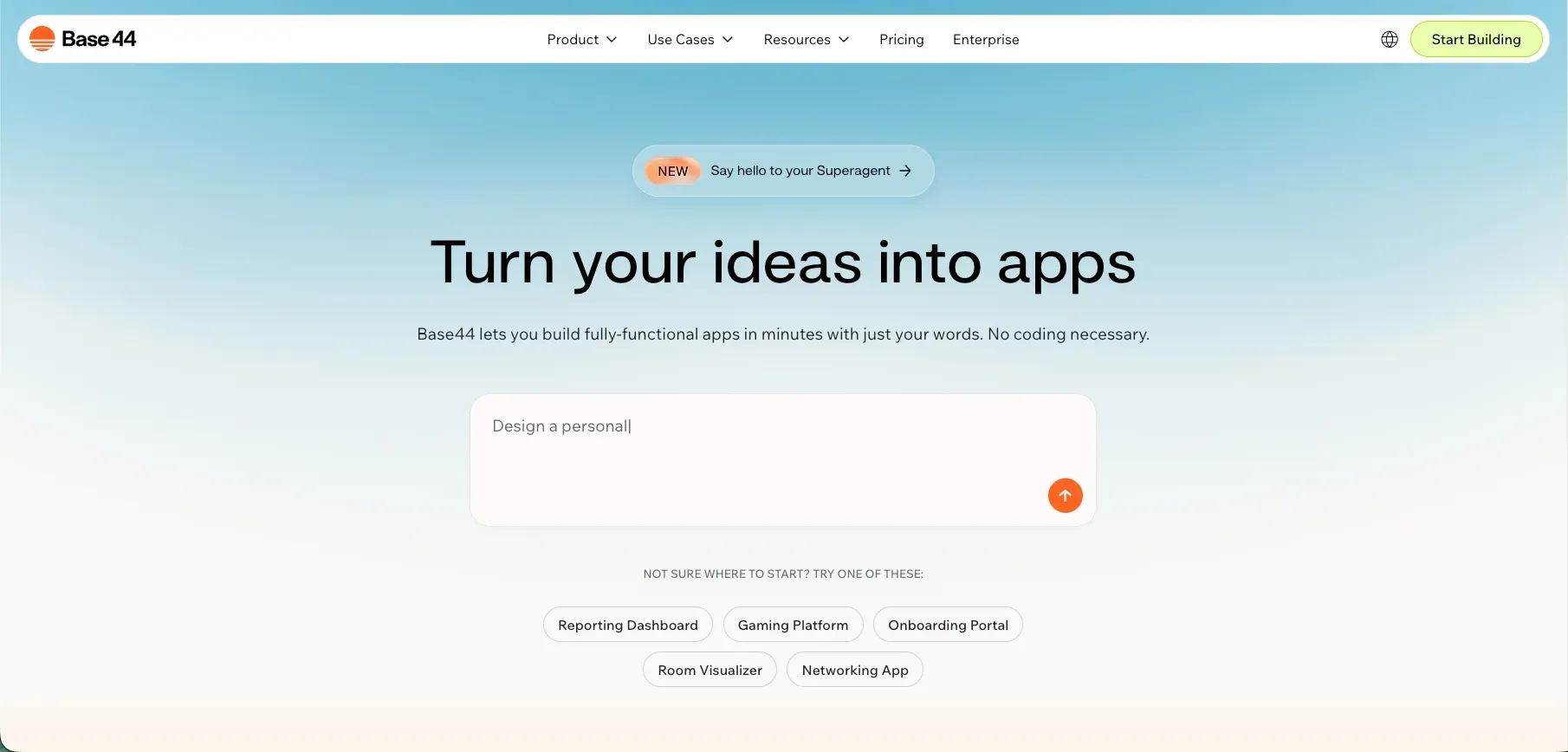
Base44 offers multiple pricing plans designed for different levels of usage, ranging from individuals to more advanced builders.
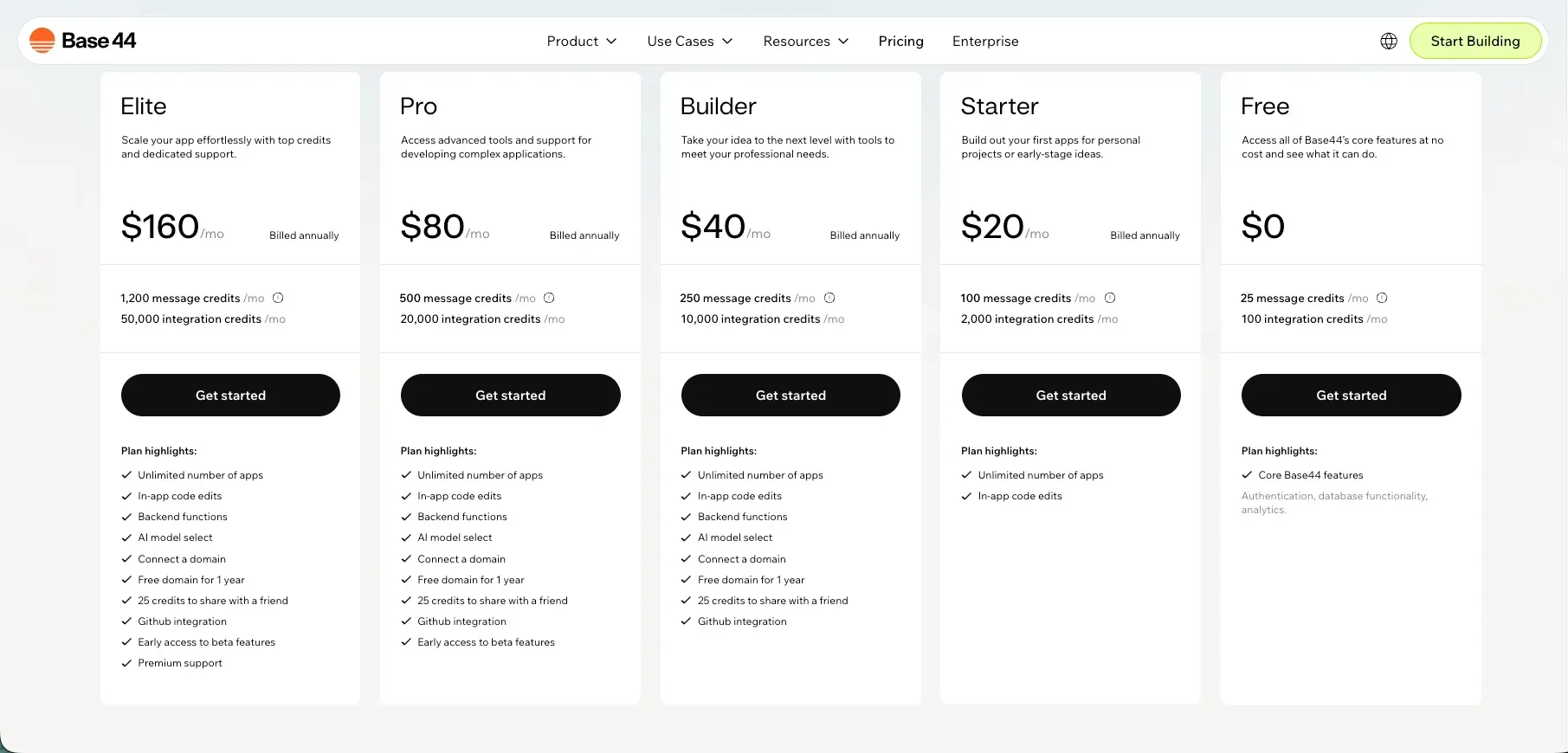
The platform includes a free plan for experimentation, along with paid tiers such as Starter, Builder, Pro, and Elite. Pricing generally ranges from $0 to around $160 per month depending on the plan and included credits.
Each tier increases the number of credits available, along with access to more advanced features and higher usage limits. However, the key difference is not just the plan itself, but how those credits are consumed during use.
How Base44 Pricing Works
The core of Base44 pricing is its credit system.
Instead of charging only for access, Base44 assigns a number of credits to each plan. These credits are used whenever you interact with the platform. For example, generating content, running workflows, or using integrations may all consume credits.
Different actions use different amounts of credits. AI-related tasks, in particular, can consume more credits depending on complexity. This means that the same plan can result in very different costs depending on how you use the platform.
As a result, Base44 pricing is best understood as usage-based pricing layered on top of a subscription plan. The subscription gives you access and a pool of credits, while actual usage determines how quickly those credits are consumed.
Base44 Pricing: Real Cost and Value
At first glance, Base44 pricing looks simple. But the real cost depends on how you use the platform.
Is Base44 free?
Base44 does offer a free plan, which allows users to explore the platform and test basic features. However, this plan comes with limited credits and is generally intended for experimentation rather than sustained usage.
How cost actually works
The key factor in Base44 cost is how credits are used. Because the platform charges based on actions, usage can scale quickly. The more you rely on AI generation or integrations, the faster credits are consumed.
This makes Base44 different from traditional SaaS subscription tools. Instead of paying for access alone, you are effectively paying for how much work the platform performs.
Real cost in practice
In practice, Base44 pricing can feel very different depending on how you use it.
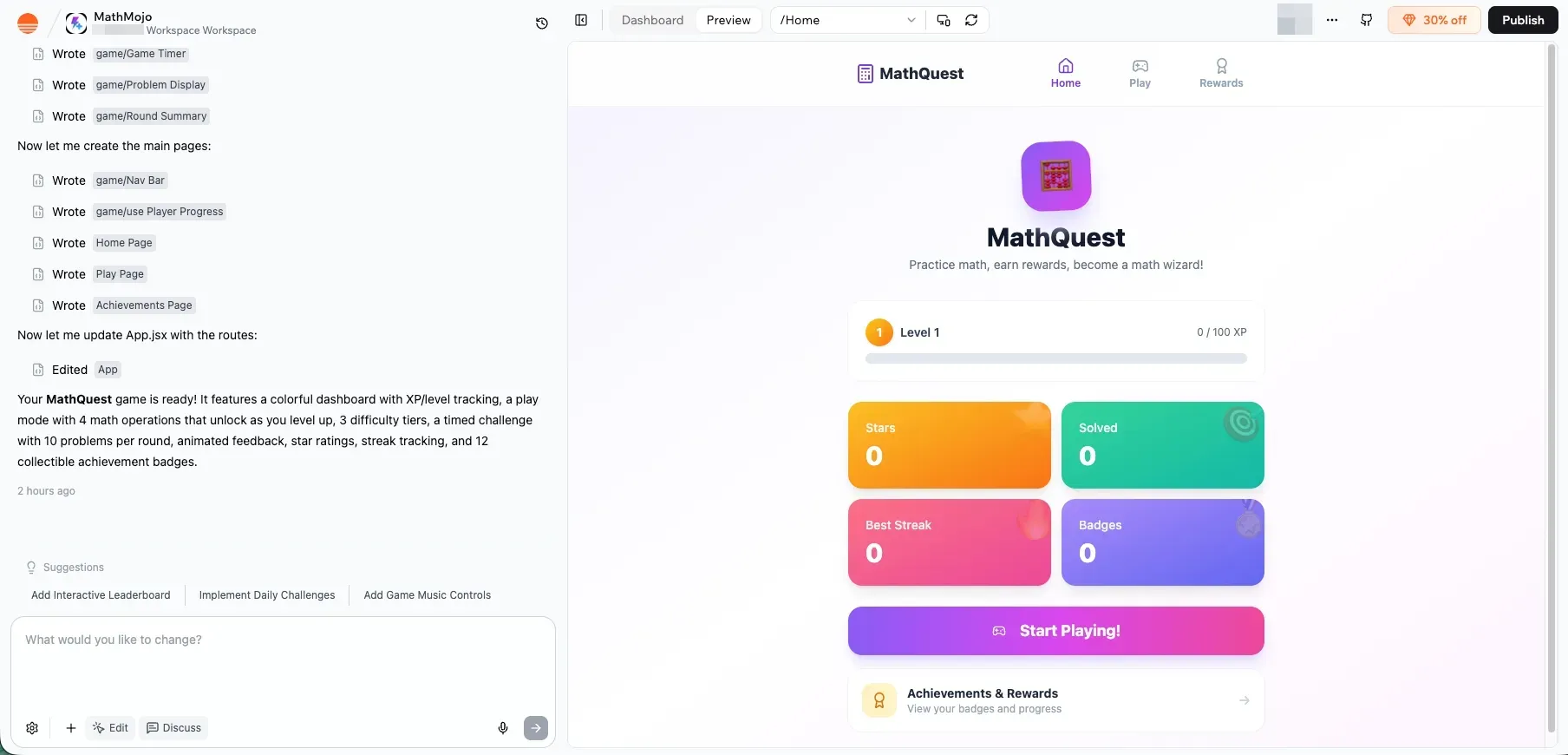
For light usage, the cost is relatively low. If you are experimenting, building small tools, or testing ideas occasionally, credit consumption may stay within the limits of a lower-tier plan. In these cases, Base44 can be an affordable way to explore AI app building or no-code app development without committing to higher monthly costs.
However, the experience changes as usage increases. If you rely on Base44 for frequent workflows, generate large amounts of content, or build more complex applications, credits can be consumed much faster. Tasks that involve multiple steps or integrations may use more credits than expected, especially during iteration.
Another factor is experimentation. When building with AI, users often test multiple versions before reaching a final result. In a usage-based system, each attempt may consume credits, which can make repeated iteration more costly over time.
Because of this, the real Base44 cost is not just about the plan you choose, but about how often you use the platform and how complex your workflows are. For some users, this flexibility is valuable. For others, it can make costs harder to predict.
Is Base44 Worth It?
Base44 can be a good fit for users who value flexibility and are comfortable with usage-based pricing. It works well for builders who want to scale usage gradually or experiment without committing to a higher fixed plan.
On the other hand, users who prefer predictable monthly costs or who plan to run frequent automated workflows may find the credit system harder to manage over time. If you are exploring other options, see our list of Base44 alternatives for platforms with different pricing models.
An Alternative to Base44: YouWare
Base44 uses a usage-driven pricing model, where credits are consumed based on how you interact with the platform. As usage increases, costs can scale accordingly.
YouWare follows a different structure. While it also includes credits, these are bundled into subscription plans, giving users a defined monthly allowance rather than fully usage-based billing. This means most usage is covered within a predictable plan, making it easier to estimate costs over time. YouBase, the built-in backend, is included in the plan rather than charged per use.
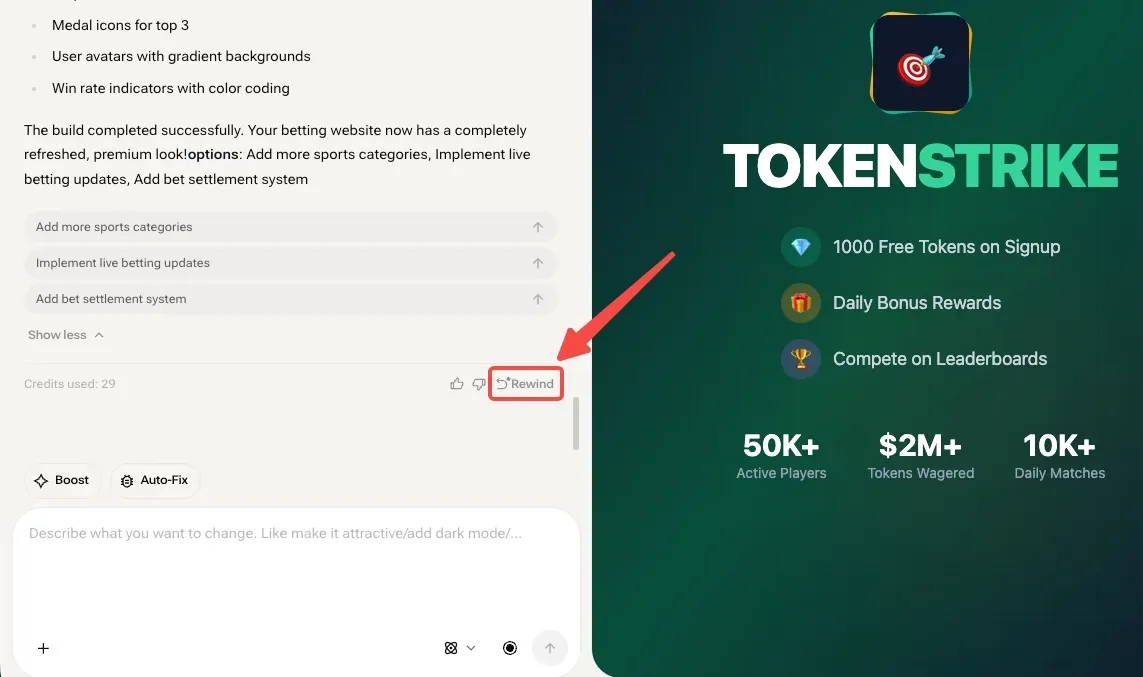
Another difference appears during iteration. When building with AI, users often test multiple versions before reaching a final result. In usage-based systems, each attempt can consume credits. YouWare introduces features such as credit rewind, which allow users to roll back changes and recover credits in certain cases. This can make experimentation feel less risky, especially when refining ideas.
In practice, the difference between the two platforms is less about whether credits exist, and more about how pricing feels. Base44 offers flexibility through usage-based scaling, while YouWare focuses on predictability and safer iteration within a structured plan.

Build an app without worrying about usage-based costs
Try YouWare FreeFAQ About Base44 Pricing
How much does Base44 cost?
Base44 offers a free plan and paid plans that typically range from around $20 to $160 per month. The exact cost depends on the plan and how many credits are included.
Is Base44 free?
Yes, Base44 provides a free plan. However, it includes limited credits and is mainly designed for testing and small-scale use.
What happens if I run out of credits?
If you run out of credits, you may need to upgrade your plan or purchase additional credits to continue using certain features. Usage-based pricing means availability depends on remaining credits.
Is Base44 worth it?
Base44 can be worth it for users who want flexible, usage-based pricing and are comfortable managing credit consumption. It works well for builders who prefer to scale usage gradually or experiment without committing to a higher fixed plan. For users who prefer more predictable costs, subscription-first platforms may feel easier to manage. For example, tools like YouWare bundle credits into fixed plans, which can make ongoing usage and iteration more predictable. You can also compare Base44 vs Lovable for another perspective on credit-based pricing in this category.