The Future of CDN: How Edge Computing Is Changing Web Performance in 2026

Key Takeaways
The CDN industry is undergoing its most significant transformation since the technology's inception, with third-generation systems combining edge computing, AI-driven optimization, and serverless architecture. According to Credence Research, the global CDN market will grow from $12.25 billion in 2024 to $40.16 billion by 2032—a 16% compound annual growth rate. Edge computing now enables sub-20ms latency (down from 150ms), while AI-driven predictive caching achieves 95%+ cache hit rates. For businesses building web applications, YouWare eliminates the technical complexity of leveraging these advances, automatically generating optimized code that works seamlessly with modern CDN infrastructure.
 Third-generation CDN systems combine edge computing, AI optimization, and serverless architecture to deliver unprecedented web performance
Introduction
The websites and applications we use daily are about to get dramatically faster. Behind this transformation lies a fundamental shift in how content delivery networks operate—moving from simple content caching to intelligent, distributed computing platforms that process logic at the network edge.
For years, CDNs primarily cached static assets like images and CSS files closer to users. Today's third-generation systems do far more: they execute code, make real-time decisions using machine learning, and deliver personalized experiences without round-trips to origin servers. According to Precedence Research, the global edge computing market will reach $554.39 billion by 2025 with a 27.09% CAGR through 2035.
This evolution matters for anyone building digital products. Google's 2026 Core Web Vitals have tightened requirements, with Largest Contentful Paint (LCP) now requiring under 2.0 seconds (previously 2.5s). Websites meeting these stricter standards see 23% higher engagement and 18% lower bounce rates, according to WSC. The performance gap between edge-optimized and traditional architectures is widening rapidly.
This article explores how edge computing is reshaping web performance, examines the technologies driving this change, and shows how platforms like YouWare make these advanced capabilities accessible to businesses without infrastructure expertise.
What Is Third-Generation CDN Technology?
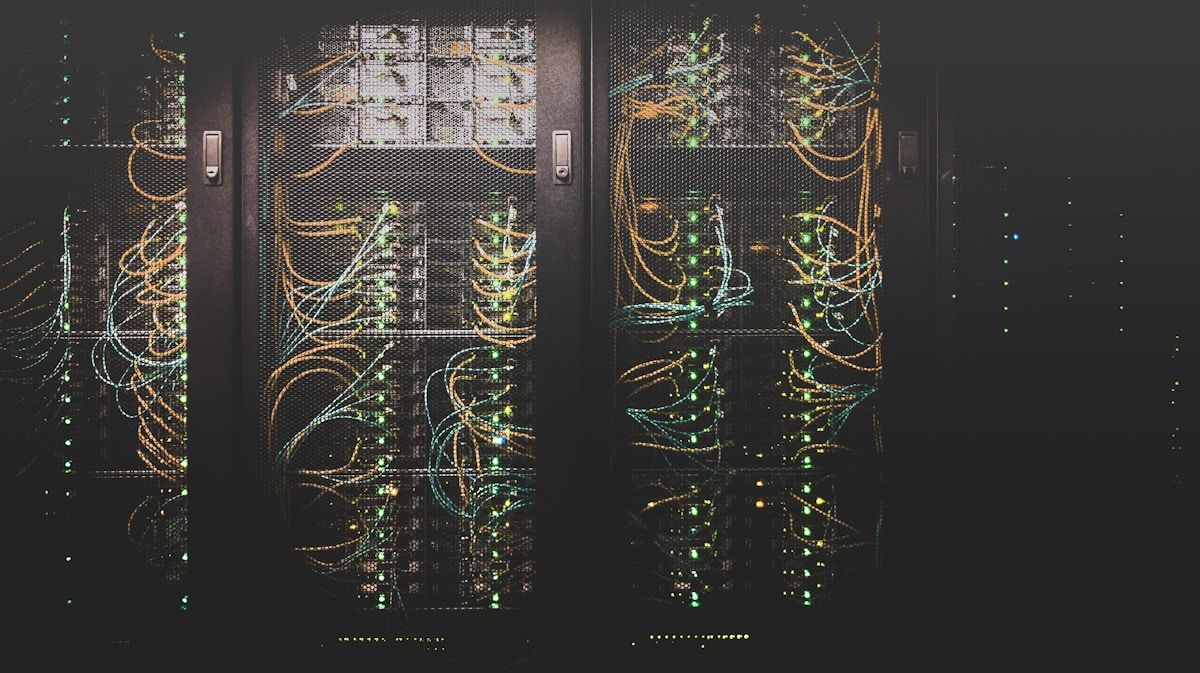 Modern data centers form the backbone of edge computing infrastructure, enabling sub-20ms latency globally — Source: Unsplash
Third-generation CDN technology represents a fundamental architectural shift from content distribution to distributed computing. While first-generation CDNs (1990s-2000s) simply cached static files and second-generation systems (2010s) added dynamic content acceleration, today's platforms execute application logic across hundreds of global edge locations.
The defining characteristics of third-generation CDNs include edge computing capabilities that process requests within milliseconds at points of presence (PoPs) closest to users, AI-driven routing that predicts traffic patterns and optimizes content placement, and serverless architecture that eliminates server management while scaling automatically. According to Learniux, these systems reduce latency from 150ms to below 20ms while serving 60% of traffic from edge caches with sub-1-second time to first byte (TTFB).
The business impact is substantial. Research cited by BlazingCDN shows that a 1-second delay in load time drops conversions by 7-17%. With third-generation CDNs, e-commerce sites can deliver personalized product recommendations, run A/B tests, and process transactions—all at the edge, eliminating the latency penalty of traditional server architectures.
Major providers have invested heavily in this transition. Cloudflare operates over 300 data centers globally, Akamai maintains presence in more than 4,000 locations, and Fastly focuses on programmable edge computing. Each offers edge functions, key-value storage, and increasingly sophisticated AI capabilities at the network edge.
The Numbers Behind the CDN Transformation
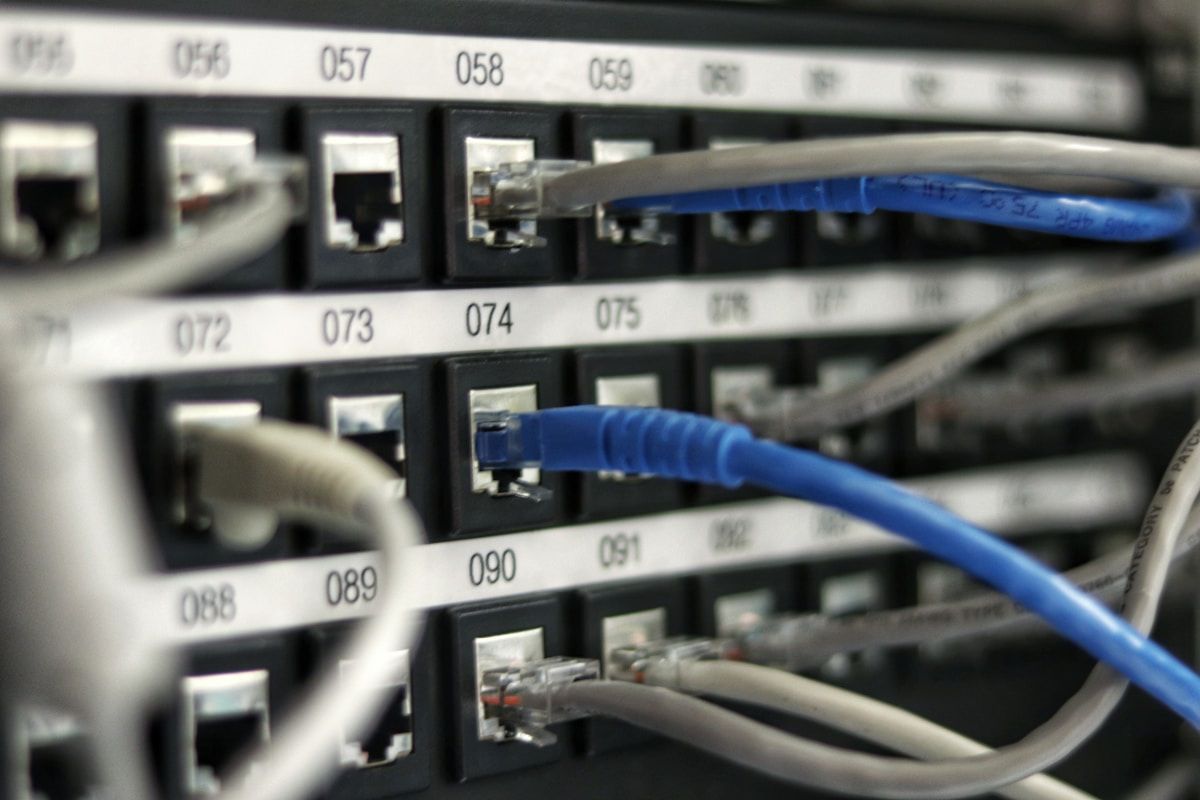 Global infrastructure investment in CDN and edge computing reflects the technology's strategic importance — Source: Unsplash
The scale of investment in CDN and edge computing infrastructure reflects the technology's strategic importance. According to The Business Research Company, the edge functions on CDN market alone will grow from $5.9 billion in 2025 to $6.95 billion in 2026—a 17.8% CAGR that outpaces the broader CDN market.
Several factors drive this growth. Video streaming now accounts for 65% of downstream internet traffic, growing toward 75% by 2030 according to Sandvine data. Cloud adoption continues accelerating across industries. Most significantly, businesses recognize that edge computing isn't optional for competitive performance—it's essential.
| Metric | 2024/2025 | 2026 Projection | Growth Rate |
|---|---|---|---|
| CDN Market Size | $12.25B | Growing to $40.16B (2032) | 16% CAGR |
| Edge Functions on CDN | $5.9B | $6.95B | 17.8% CAGR |
| Edge Computing Market | $554.39B | Continuing growth | 27.09% CAGR |
| CDN Security Market | $9.4B | Growing to $29.8B (2035) | 17.4% CAGR |
Data egress fees represent another factor reshaping the market. Global data egress costs are projected to exceed $48 billion annually by 2027, per World Bank estimates. This creates strong incentives for edge processing that minimizes data transfer between edge locations and origin servers.
AI-Driven Optimization: Machine Learning at the Edge
 AI-driven routing optimizes content delivery across global network infrastructure in real-time — Source: Unsplash
Artificial intelligence has transformed CDN operations from reactive caching to predictive content delivery. Modern systems use machine learning to anticipate user requests, optimize routing decisions, and automatically adapt to traffic patterns—all in real-time.
According to BlazingCDN, AI-driven caching achieves a 22% increase in cache efficiency and 40% reduction in response times compared to traditional rule-based systems. Platforms like Cachee.ai demonstrate that AI-driven predictive caching can achieve 95%+ cache hit rates with sub-10ms prediction latency.
These improvements stem from AI's ability to analyze patterns that humans cannot efficiently process. Machine learning models consider time of day, device type, geographic location, historical behavior, and hundreds of other signals to determine which content to cache where. When a viral piece of content emerges, AI systems can propagate it to edge caches before user demand peaks.
The 2025 UEFA Final demonstrated these capabilities in action. According to BlazingCDN benchmarks, next-generation edge networks achieved zero major rebuffering events across 12 markets during the event, while legacy CDNs experienced 6% stream dropouts. The difference came down to AI-driven traffic prediction and dynamic resource allocation.
For businesses, AI optimization means less manual configuration and better outcomes. Rather than writing complex caching rules, modern CDN platforms learn optimal strategies automatically. This democratizes performance optimization—you don't need a team of CDN specialists to achieve excellent results.
Serverless at the Edge: The Rise of Edge Functions
 Edge functions enable developers to deploy code across hundreds of global points of presence with 5ms cold start times — Source: Unsplash
Edge functions represent one of the most significant innovations in modern CDN architecture, enabling developers to run code at points of presence worldwide without managing servers. According to Latest From Tech Guy, Cloudflare Workers processes 10 million requests per second across more than 300 data centers with cold start times of just 5ms—compared to 300-500ms for traditional serverless platforms like AWS Lambda.
The performance advantage is dramatic. ByteIota research found that Cloudflare Workers edge functions are 210% faster than AWS Lambda@Edge for comparable workloads. This gap exists because edge functions run on lightweight V8 isolates rather than containers, eliminating the overhead that creates serverless cold start latency.
Recent infrastructure improvements have further widened this gap. Cloudflare's August 2025 update to Workers KV achieved a 67% latency reduction, dropping p95 latency from 150ms to 50ms through hybrid storage optimizations. These improvements compound—faster storage means faster functions, which means better user experiences.
| Platform | Cold Start Time | Global Coverage | Key Differentiator |
|---|---|---|---|
| Cloudflare Workers | 5ms | 300+ locations | V8 isolates, Workers KV |
| Vercel Edge Functions | 25ms | 110+ locations | Next.js integration |
| AWS Lambda@Edge | 300-500ms | 13 regions | AWS ecosystem |
| Deno Deploy | 10ms | 35 regions | TypeScript-first |
Edge functions enable use cases that were previously impractical: real-time personalization, geographic content customization, authentication at the edge, and dynamic image transformation. The key insight is that moving computation closer to users eliminates network latency that no amount of optimization can overcome.
Meeting Google's Stricter Core Web Vitals 2026
Google's 2026 Core Web Vitals update has tightened performance requirements, making edge optimization more important than ever for search visibility. According to WSC, the new thresholds require Largest Contentful Paint (LCP) under 2.0 seconds (down from 2.5s), Interaction to Next Paint (INP) under 150ms, and Cumulative Layout Shift (CLS) under 0.08 (down from 0.1).
These changes have measurable business impact. Websites meeting the new Core Web Vitals standards achieve 23% higher engagement and 18% lower bounce rates compared to those that don't. For e-commerce sites, where every fraction of a second affects conversion rates, this represents significant revenue impact.
Edge computing directly addresses each Core Web Vitals metric. LCP improves because assets are served from geographically closer edge caches rather than distant origin servers. INP benefits from edge functions that process user interactions locally rather than round-tripping to centralized servers. CLS improves when edge functions can pre-compute layout information and serve stable pages on the first request.
HTTP/3 and QUIC protocol adoption further support these metrics. According to BlazingCDN, QUIC reduces YouTube rebuffering by 9% on average networks and 18% on lossy mobile connections. These transport-layer improvements complement edge computing's latency reductions.
For businesses without dedicated performance engineering teams, meeting these standards requires modern tooling. YouWare's Boost feature provides one-click AI optimization that analyzes page structure, content quality, and user experience—precisely the factors Google's Core Web Vitals measure.
Security at the Edge: Zero-Trust Architecture
 Zero-trust security frameworks have been adopted by 67% of CDN providers to combat the 170% increase in DDoS attacks — Source: Unsplash
The security landscape for web applications has grown significantly more hostile. According to Cloudflare data, DDoS attacks increased 170% year-over-year with 36.2 million incidents in 2025. Deepstrike reports a 358% increase in attacks during Q1 2025 alone.
This threat environment has accelerated CDN security market growth. Market.us projects the CDN security market will reach $29.8 billion by 2035, growing at a 17.4% CAGR. According to industry research, 67% of CDN providers have integrated zero-trust security frameworks.
Edge computing enables security architectures that weren't previously feasible. Rather than routing all traffic through centralized security appliances, edge-native security distributes protection across hundreds of global locations. This approach offers several advantages: attacks are absorbed closer to their source, reducing the impact on origin infrastructure. Security decisions can be made in milliseconds rather than the hundreds of milliseconds required for round-trips to security services. Legitimate users experience no latency penalty from security inspection.
Modern edge security combines multiple layers: Web Application Firewalls (WAF) that analyze request patterns at the edge, bot management that distinguishes legitimate users from automated threats, rate limiting that prevents resource exhaustion, and DDoS mitigation with near-infinite absorption capacity at global scale.
For businesses deploying applications through platforms like YouWare, enterprise-grade security comes built-in. YouWare's Secrets module stores API keys and credentials with enterprise-grade encryption, accessible only from server-side code and never exposed to frontend applications. This approach eliminates an entire category of security vulnerabilities without requiring security expertise.
WebAssembly at the Edge: Near-Native Performance
WebAssembly (WASM) is emerging as a transformative technology for edge computing, enabling near-native performance for code running at CDN points of presence. According to research published on arXiv, WASM produces binaries 30x smaller than traditional containers while reducing cold-start latency by 16%.
The significance of WASM lies in its performance characteristics. Code compiled to WebAssembly runs at near-native speed regardless of the original programming language. This means developers can write edge functions in Rust, C++, Go, or any language with WASM support, then deploy them globally with predictable performance.
Major CDN providers have embraced WASM. Cloudflare Workers natively supports WASM modules, allowing developers to escape the constraints of JavaScript-only edge functions. Fastly's Compute@Edge was built on WASM from the ground up. AWS introduced WASM support for Lambda@Edge. The trend is clear: WASM is becoming the standard runtime for performance-critical edge computing.
For practical applications, WASM enables image processing, video transcoding, cryptographic operations, and complex business logic at the edge—workloads that would be too slow in interpreted JavaScript. E-commerce sites can run real-time inventory checks, media companies can transcode video on-demand, and SaaS applications can execute business rules without origin server latency.
How No-Code Platforms Make Edge Performance Accessible
 No-code platforms democratize edge computing benefits for businesses of all sizes — Source: Unsplash
The technical complexity of edge computing has historically limited its benefits to organizations with specialized infrastructure teams. Configuring CDN rules, writing edge functions, and optimizing caching strategies required expertise that most businesses lack. No-code platforms are changing this dynamic by abstracting infrastructure complexity behind intelligent automation.
YouWare exemplifies this approach. The platform enables users to build complete web applications through natural language prompts, with YouWare automatically generating optimized code that works seamlessly with modern CDN infrastructure. When users publish projects, YouWare handles edge caching, performance optimization, and security configuration automatically.
The platform's one-click publishing deploys projects to shareable URLs (like abc.youware.app) with built-in performance optimization. Users don't need to understand CDN configuration, edge caching strategies, or performance tuning—YouWare's AI handles these technical details based on the application's actual usage patterns.
YouWare's Boost feature takes this further, providing one-click AI optimization that analyzes page structure, content quality, and user experience. This directly addresses Google's Core Web Vitals requirements without requiring users to understand LCP, INP, or CLS metrics. The AI identifies performance bottlenecks and applies appropriate optimizations automatically.
For businesses that need backend functionality, YouWare's YouBase provides built-in database, authentication, and storage modules that integrate efficiently with edge architectures. Rather than building and managing separate backend infrastructure, teams can describe their data needs in natural language and YouWare generates the necessary components.
This democratization of edge computing matters because web performance increasingly determines business outcomes. When a 1-second load time increase drops conversions by 7-17%, performance optimization isn't a technical luxury—it's a business necessity. No-code platforms ensure that businesses of all sizes can achieve competitive performance without dedicated infrastructure teams.
Preparing Your Website for the Edge-First Future
Adopting edge computing doesn't require a complete infrastructure overhaul. Organizations can take incremental steps to capture performance benefits while managing risk and complexity.
Start with static asset optimization. Moving images, CSS, JavaScript, and other static files to edge caches provides immediate latency improvements with minimal risk. Most CDN providers offer straightforward configuration for static asset caching, and the performance gains are often substantial—particularly for users geographically distant from origin servers.
Evaluate edge function opportunities. Identify operations that currently require origin server round-trips but could run at the edge: authentication checks, geographic content customization, A/B test assignment, and simple API responses. Each function moved to the edge eliminates network latency that affects user experience.
Monitor Core Web Vitals proactively. Google's stricter 2026 thresholds mean that sites previously meeting performance standards may now fall short. Implement Real User Monitoring (RUM) to track actual user experience metrics, and use synthetic monitoring to catch regressions before they impact search rankings.
Consider platform modernization. For organizations building new applications or significantly updating existing ones, modern platforms like YouWare provide edge optimization by default. The development velocity of AI-powered, no-code development combined with built-in performance optimization often makes platform modernization more practical than retrofitting edge capabilities onto legacy systems.
Plan for security integration. As web applications move to edge architectures, security must move with them. Ensure your edge computing strategy includes WAF capabilities, DDoS protection, bot management, and secure credential handling. Platforms with built-in security (like YouWare's Secrets module) reduce the complexity of maintaining security across distributed architectures.
Frequently Asked Questions
What is the difference between traditional CDN and edge computing?
Traditional CDNs primarily cache and serve static content from geographically distributed servers, reducing latency for assets like images and CSS files. Edge computing extends this model by executing application logic at these distributed locations. Rather than just serving cached files, edge computing platforms can run database queries, process user authentication, personalize content, and execute business logic—all within milliseconds of the end user. This architectural shift eliminates the network latency inherent in traditional client-server architectures.
How much faster will my website be with edge computing?
Performance improvements depend on your current architecture and user distribution, but the potential gains are substantial. According to industry benchmarks, edge computing can reduce latency from 150ms to below 20ms for users accessing geographically distant services. Edge functions with 5ms cold start times (versus 300-500ms for traditional serverless) enable real-time interactions that feel instantaneous. For practical impact, websites meeting optimized performance standards achieve 23% higher engagement and 18% lower bounce rates—translating directly to business outcomes.
Do I need technical expertise to benefit from edge computing?
Not necessarily. While directly configuring CDN rules and writing edge functions requires technical knowledge, modern platforms abstract this complexity. YouWare, for example, automatically generates optimized code that works with edge infrastructure, handles caching configuration during deployment, and provides AI-powered optimization through its Boost feature. This enables businesses to achieve competitive performance without dedicated infrastructure teams or CDN specialists.
How does edge computing affect website security?
Edge computing fundamentally improves security by distributing protection across hundreds of global locations rather than concentrating it in centralized data centers. DDoS attacks are absorbed closer to their source, reducing impact on origin infrastructure. Security decisions can be made in milliseconds at the edge rather than requiring round-trips to security services. Additionally, edge architectures enable zero-trust security models where every request is authenticated and authorized at the network edge, eliminating trust assumptions that attackers exploit.
What should I prioritize when preparing for edge-first architecture?
Start with static asset optimization—moving images, CSS, and JavaScript to edge caches provides immediate benefits with minimal risk. Next, identify operations that could move from origin servers to edge functions: authentication, geographic customization, and simple API responses. Monitor your Core Web Vitals to ensure you're meeting Google's 2026 thresholds. Finally, consider whether platform modernization (using tools like YouWare) might be more practical than retrofitting edge capabilities onto legacy systems, particularly for new projects or major updates.
Conclusion
The CDN industry's evolution into third-generation systems represents more than incremental improvement—it's a fundamental shift in how web applications are built and delivered. Edge computing, AI-driven optimization, and serverless architecture are converging to create performance capabilities that weren't possible even two years ago.
The numbers tell the story clearly: a market growing from $12.25 billion to $40.16 billion, latency dropping from 150ms to under 20ms, and websites meeting optimized performance standards achieving 23% higher engagement. These aren't abstract metrics—they translate directly to business outcomes in an era where every fraction of a second affects user experience and conversion rates.
For businesses navigating this transition, the key insight is that edge computing benefits are becoming accessible regardless of technical expertise. Platforms that abstract infrastructure complexity while delivering enterprise-grade performance are democratizing capabilities that previously required specialized teams and significant investment.
The future of web performance is being written at the edge. Organizations that understand and embrace this shift will deliver faster, more secure, and more engaging experiences to their users—and capture the business advantages that performance leadership provides.

References
- Content Delivery Network (CDN) Market Report 2024-2032 — Credence Research via TMCnet
- CDN Infrastructure Evolution 2025-2030 Forecast — BlazingCDN
- Edge CDN Performance Benchmarks 2025 — BlazingCDN
- Edge Computing Market Analysis — Precedence Research
- Core Web Vitals 2026 Updates — WSC
- Edge Functions on CDN Market Report — The Business Research Company
- Cloudflare Workers KV Performance Improvements — Cloudflare Developers
- Cloudflare Workers Edge Computing Analysis — Latest From Tech Guy
- CDN Security Market Analysis — Market.us
- DDoS Attack Statistics 2025 — Cloudflare via PC Gamer
- WebAssembly at the Edge Research — arXiv
- AI-Driven Predictive Caching — Cachee.ai