What is Airtable and Its Alternatives

If you still think of Airtable as just a "smart spreadsheet," you haven't been paying attention to the evolution of software.
In 2026, Airtable is no longer just a place to organize data. It has evolved into a powerhouse for building enterprise-ready AI workflows, custom internal apps, and intelligent agents. It is the operating system that keeps massive companies aligned across marketing, product, and operations.
But as the barrier to building software drops, a new divide has emerged in the no-code/AI development space: Internal Workflows vs. Public-Facing Products. While Airtable dominates the internal enterprise space, what happens when a founder or creator wants to build a SaaS, launch a monetized web app, and sell directly to consumers? This is where a new generation of full-stack "vibe coding" platforms like YouWare steps in.
Key Takeaways
- Airtable excels at internal apps, team workflows, and enterprise data management
- YouWare is purpose-built for launching public-facing, monetized web applications
- Airtable's per-seat pricing and internal-first design create friction for consumer products
- YouWare combines AI-powered frontend generation, YouBase backend, and native payments in one platform
- The choice depends on your goal: internal operations (Airtable) vs. public product launch (YouWare)
In this guide, we will break down exactly where Airtable shines, where builders hit a wall, and how YouWare is changing the economics of launching digital businesses.
The Evolution of Airtable: The Enterprise Operating System
Airtable is brilliant because it allows non-engineers to build complex, relational data structures and turn them into functional applications for their teams.
According to Gartner's forecast, 75% of enterprise software engineers will use AI code assistants by 2028, and platforms like Airtable are leading this shift within the enterprise. Here is why 500,000+ brands rely on it:
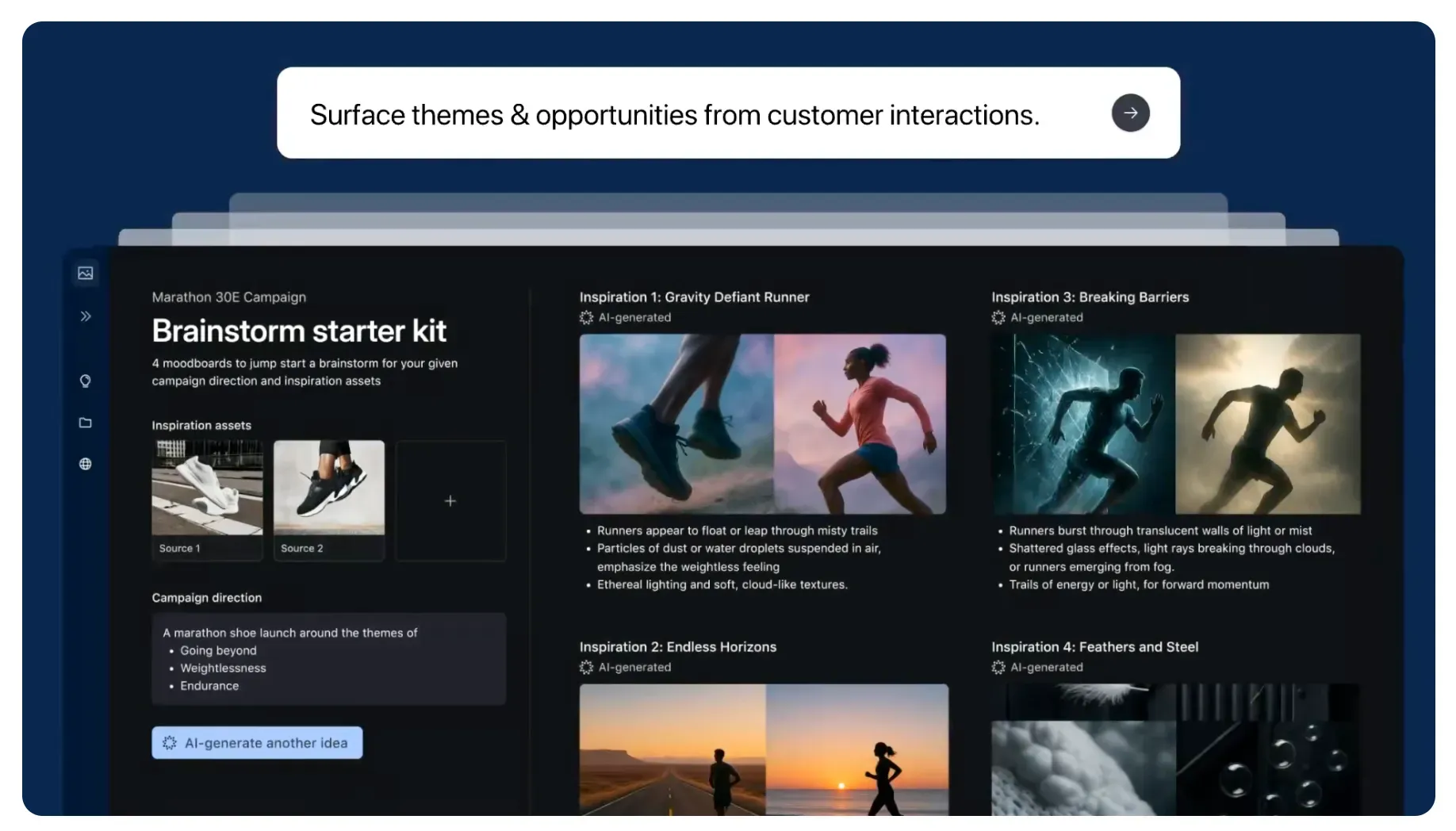
Custom Internal Apps: Using Interface Designer, teams can pull data from their base and build sleek, interactive dashboards for employees to manage projects, track OKRs, or handle CRM duties.
AI-Powered Workflows: Airtable now integrates native AI to summarize updates, flag project risks, and generate content directly within your workspace.
Cross-Functional Alignment: It acts as a single source of truth, connecting product roadmaps with marketing asset management so that no launch details fall through the cracks.
Best For: Internal team management, enterprise resource planning, marketing campaign tracking, and building internal tools that your employees log into every day.
The "Builder's Wall": When Airtable Isn't Enough
Airtable's limitation isn't its capability; it's its audience. Airtable is fundamentally designed for internal collaboration, which creates friction when you try to use it to launch a public, monetized business.
Founders usually hit the "Builder's Wall" in three areas:
1. The Consumer Frontend
While Airtable's Interface Designer is great for employee dashboards, it is not designed to build highly customized, consumer-facing websites with complex UI/UX (like a dynamic e-commerce storefront or a highly branded SaaS landing page).
2. The Monetization Gap
Airtable is not a payment platform. If you want to build an app and charge users $1.99 per use, you cannot natively drop a Stripe checkout or PayPal button into an Airtable interface.
3. The User Authentication and Pricing Model
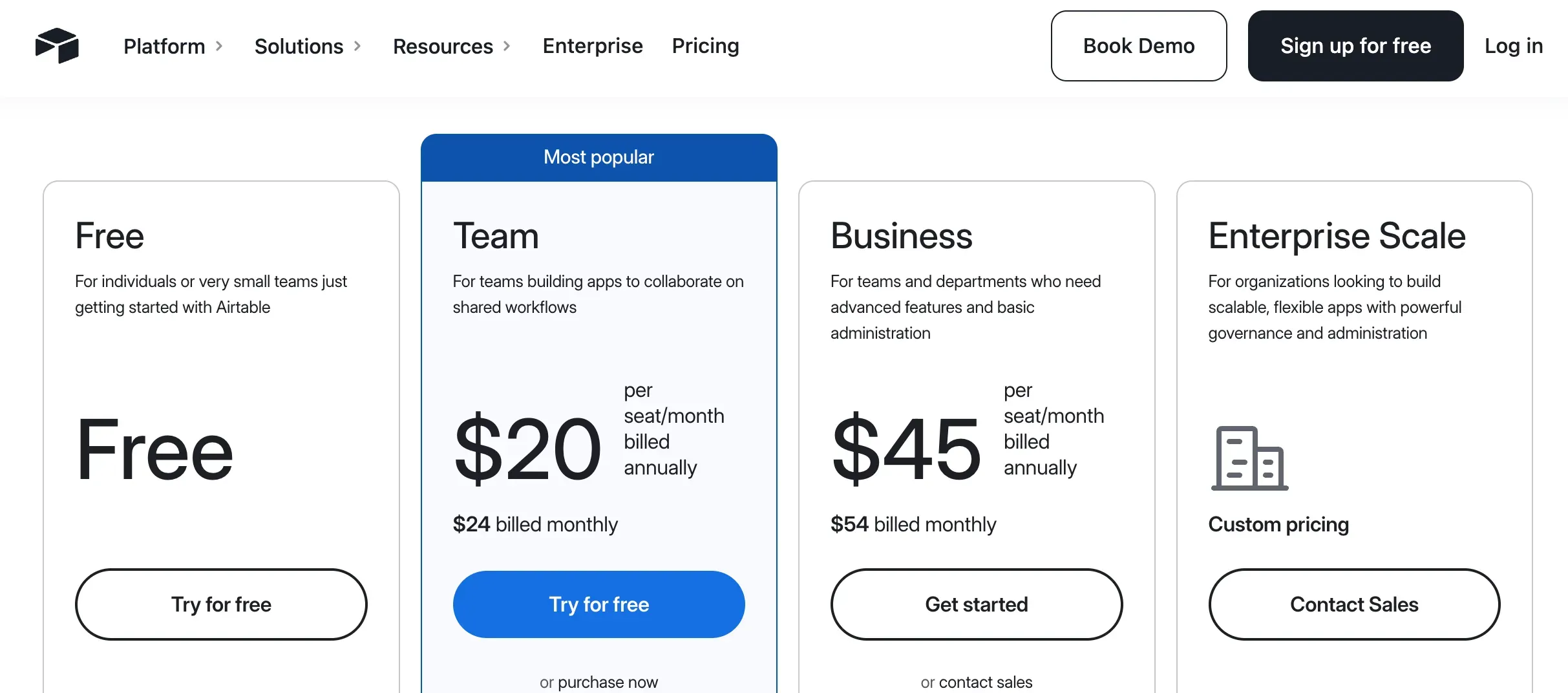
Airtable charges per "seat" (per user). This is fine for a team of 50 employees, but financially impossible if you want to build a consumer app with 40,000+ public users logging in. To solve this, builders are forced to duct-tape Airtable to expensive third-party wrappers (like Softr) and external authentication tools.
Introducing YouWare: The Full-Stack "Vibe Coding" Engine
If Airtable is your internal nervous system, YouWare is your public-facing storefront and commercial engine.
The term "Vibe Coding" was coined by Andrej Karpathy, co-founder of OpenAI, to describe building software through natural conversational language rather than writing code manually. YouWare is designed specifically for creators, founders, and indie hackers who want to go from an idea to a fully launched, monetized web application using this approach.
Here is how YouWare bridges the gap from internal tool to public product:
CoView (Instant, Public UI Generation)
You don't need third-party wrappers. YouWare's AI generates the visual frontend directly. You simply describe the consumer experience you want (e.g., "Build an interactive Valentine's Day e-card gallery with a pink theme"), and CoView renders the code and UI instantly, ready for the public internet.
YouBase (The Commercial Backend)
While Airtable manages team data, YouBase manages product data. It is an integrated backend designed to seamlessly handle external user registrations, secure logins, and massive consumer databases without charging you "per seat" for your customers.
Native Monetization (Stripe and PayPal)
YouWare is built for business. You can instruct the YouWare Agent to naturally weave Stripe webhooks or PayPal API keys directly into your app's logic. You can build a complete commercial closed loop — from user registration to payment collection — in minutes.
Launch Ready
With native custom domain binding (e.g., yourbrand.com), your project goes from a prototype to a live, trusted consumer brand instantly.
Objective Comparison: Airtable vs. YouWare
| Feature | Airtable | YouWare |
|---|---|---|
| Primary Use Case | Internal apps and workflows | Public-facing web apps and SaaS |
| UI Building | Interface Designer (internal dashboards) | AI-generated consumer UI via CoView |
| Database | Relational bases (team-focused) | YouBase (consumer-scale, no per-seat cost) |
| User Auth | Per-seat licensing | Built-in public user authentication |
| Payments | Not available | Native Stripe and PayPal integration |
| Custom Domains | Not available | Full custom domain binding |
| AI Capabilities | Workflow automation and summaries | Full-stack app generation from prompts |
| Pricing Model | Per seat ($20-$45/user/month) | Per creator (from $20/month for unlimited users) |
| Best For | Enterprise teams, operations, project management | Creators, founders, indie hackers, SaaS builders |
The Verdict: Which Platform is Right for You?
Choose Airtable if: You are a Product Manager, Marketing Director, or Operations Lead looking to break down organizational silos. If you need to build custom AI workflows to track 200+ marketing campaigns, allocate resources, and align internal teams, Airtable is the undisputed heavyweight champion.
Choose YouWare if: You are a creator or founder with an idea for a digital product or SaaS. If your goal is to build a custom-branded web application, acquire public users, and directly monetize your product via Stripe or PayPal without piecing together a complex tech stack, YouWare is your ultimate launchpad.
Ready to launch your next product? Start vibe coding with YouWare today.
Get Started FreeFAQ
Can I use Airtable as a backend for my public app?
Yes, but you will need to use Airtable purely as a "headless" database and connect it to a separate frontend builder (like Softr or Webflow) using APIs. Platforms like YouWare eliminate this complexity by offering both the frontend UI generation and the database (YouBase) in one unified environment.
What does 'Vibe Coding' mean in YouWare?
"Vibe Coding" refers to the ability to build and iterate on full-stack software using natural conversational language. Instead of manually dragging and dropping elements or writing syntax, you describe the layout, logic, and database structure you want, and the AI agent generates it.
Does YouWare support custom domains?
Yes. Unlike internal workspaces that live on the platform's URL, YouWare allows you to natively bind your own custom domains, ensuring your public-facing apps look highly professional and trustworthy to consumers.
Can I use both Airtable and YouWare together?
Yes. Many builders use Airtable for internal project tracking and operations while using YouWare to build and launch the consumer-facing product. The two platforms serve complementary purposes in different parts of the business workflow.